
Categories
The Psychology of Lifestyle Photography
How a single image can make your product feel like part of a life the viewer already wants.
Lifestyle photography sells a feeling. It works because it borrows the brain’s shortcuts. Here is the mechanism behind each tactic, and how to use it without crossing into manipulation.

Why Lifestyle Photography Persuades
Social proof, in visual form. Humans calibrate their behaviour by watching others. A photo of a real person using your product says “people like you do this” far faster than a paragraph of testimonials. The brain reads the image before skepticism has a chance to engage. (Reference: Behavioural Economics)
Self-referential encoding. People remember information better when it connects to themselves. A scene the viewer recognizes as their own kitchen, their own commute, or their own Sunday makes the product part of their self-concept rather than an external object. (Reference: Business Perspectives)
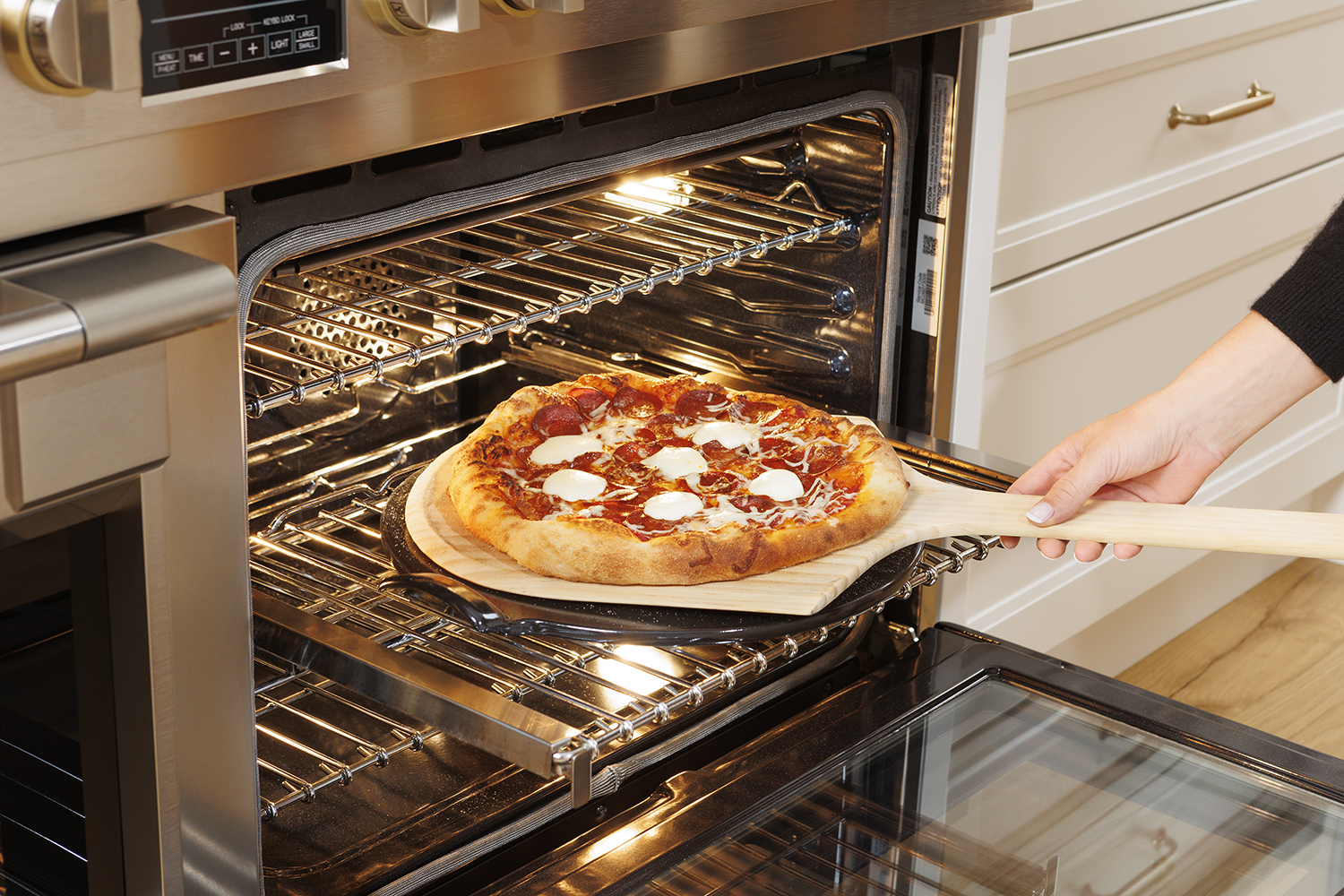
Mirror neurons and simulation. Watching someone hold a mug or open a package triggers a faint motor simulation of the same action. This is why hands in frame outperform product-only shots. The viewer rehearses the behaviour in their own mind. (Reference: OECS)
Narrative transportation. A story lowers counter-arguing. When you are absorbed in a moment, you are not auditing claims. Lifestyle photography is a story compressed into a single frame. (Reference: Springer Nature Link)
Peak-end and nostalgia. Warm light, familiar objects, and small imperfections cue memory. Nostalgia increases willingness to pay and reduces price sensitivity. It makes people feel socially connected, which loosens the wallet.(Reference: Ideas)
Mere exposure and familiarity. Repeated low-key exposure to a scene builds liking without conscious awareness. This is why a consistent visual world beats a series of one-off beautiful shots. (Reference: Simply Psychology)
The Levers, and How to Pull Them
Identity over features. Show who the buyer is, not what the product does. Identity-consistent choices feel like self-expression rather than persuasion. (Reference: University of Chicago)
Warmth cues. Golden light, soft textures, and natural skin tones trigger safety and approachability. Cool, high-contrast, clinical light reads as competence but also as distance. (Reference: Cedar & Mint Co)
Effort and imperfection. A slightly messy scene signals authenticity. Perfect styling trips the “this is an ad” detector, which raises the viewer’s defenses. (Reference: Science Direct)
Aspiration at reachable distance. The scene should show a life the viewer can plausibly have. Too much aspiration triggers envy or dismissal. Too little triggers indifference. (Reference: Aditum)
Loss aversion in reverse. Showing the moment without your product, such as the chaotic morning or the missed connection, makes the absence feel like a cost. (Reference: MIT)
Anchoring through context. A product on a marble counter versus a cluttered desk sets the price expectation before the viewer ever sees a number. (Reference: Science Direct)
Processing fluency. Simple, uncluttered compositions feel true. Cognitive ease is often misread as truthfulness. (Reference: National Library of Medicine)

Where It Goes Wrong
The uncanny valley of stock. Overly generic scenes trigger pattern recognition as “fake,” which can contaminate the brand. (Reference: Digivate)
Manufactured diversity. Token casting reads as performative and can backfire with the very audiences it targets. (Reference: Springer Nature Link)
False implication. If the image implies an outcome, the outcome must be real. Deceptive imagery is both an ethics failure and, in most markets, a legal one. (Reference: Science Direct)
Dark patterns. Urgency framing, fake scarcity, and shame-based imagery exploit the same levers. They work in the short term and corrode trust over time. (Reference: FTC)
Aspiration as exclusion. If nobody in your audience sees themselves in the frame, the identity lever fires in reverse. (Reference: Science Direct)

Putting It to Work
- Pick one psychological job per image. Belonging, aspiration, relief, or nostalgia. One frame, one lever.
- Test the recognition question. Ask real customers: “Does this look like your life?” If not, the self-reference lever is not firing.
- Measure beyond clicks. Watch for brand recall, sentiment, and repeat purchase. The levers that matter operate slowly.
- Keep the visual world consistent. Familiarity compounds. Novelty resets it.
The Through-Line
Lifestyle photography works by making your product part of a life the viewer already wants and already half-recognizes as their own. The psychology is not a trick layered on top of the image. It is the reason the format outperforms a product shot on a white background. A white background allows the viewer to see a clear representation of the object but it also asks the viewer to do the imagining. A lifestyle image does it for them, placing the product inside a moment that already feels familiar, so the desire arrives before the reasoning does. That is why the strongest lifestyle work rarely looks like advertising at all. It looks like a life, and the product is simply there in it, doing what it is meant to do. Get that right and you are no longer selling a thing. You are showing someone a version of their own day, and letting them decide they want it.

Curious how creative strategy comes to life across different organizations? Check out more stories and tips on our site – click here!
Oh! And don’t miss out – join our newsletter to get first dibs at exclusive practical strategies, expert advice, and proven tactics that will elevate your marketing and fundraising game.